
Article2026-10-31
HDPE Pipe Guide 2026: 10 Chinese Factories Compared
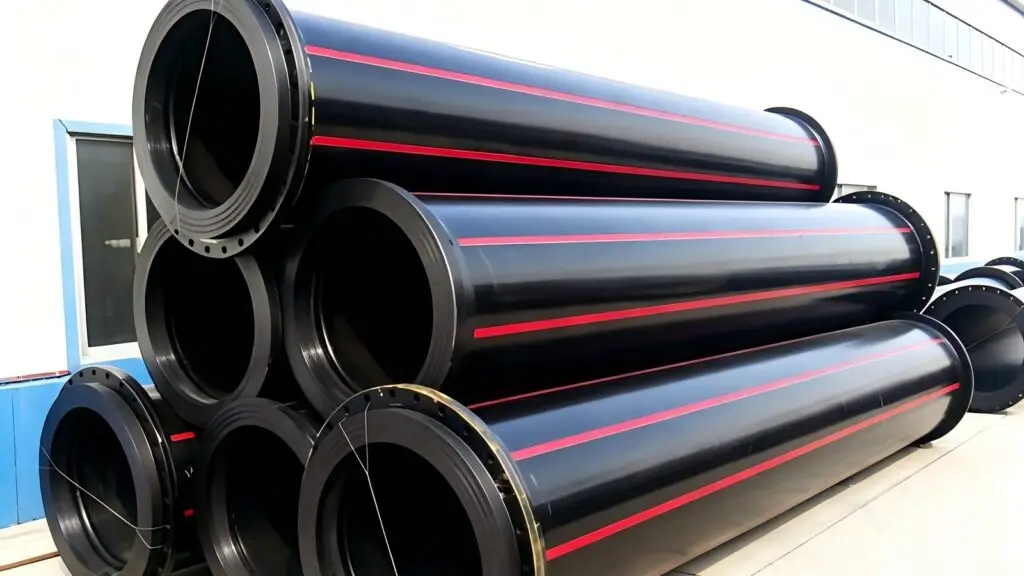
We compared 10 Chinese HDPE pipe factories on scale, price, certification and export readiness — plus where one-stop pipe, hose and floater supply wins.
21 min readRead More →
Why a 1.0 MPa working rating survives years on one job and fails within weeks on another, and the three site questions that decide the right pressure class.
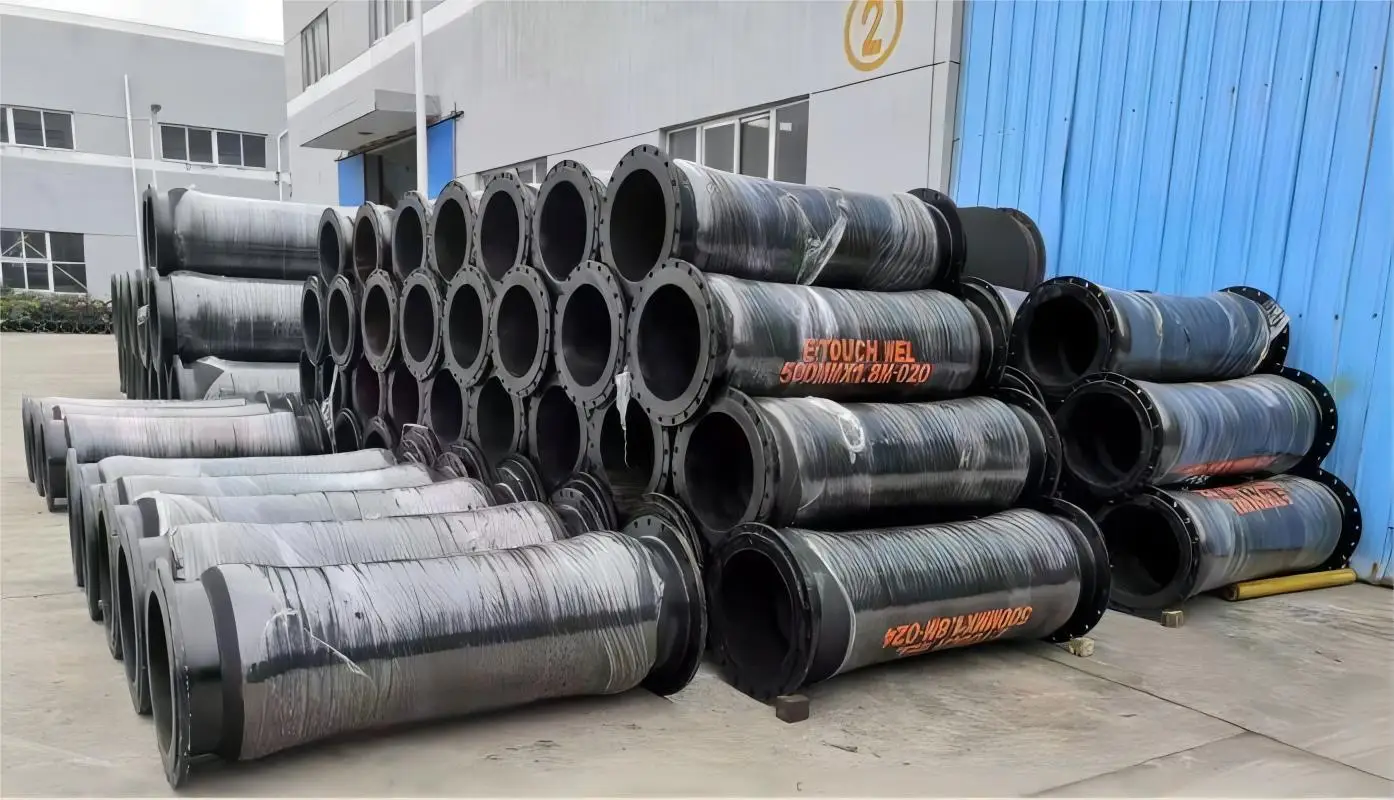
Every hose in our DRH line carries two figures, and buyers sometimes read only the first one.
For a sand discharge hose, working pressure is the pressure the hose is designed to see hour after hour, at operating temperature, with the line flexing on the water. In the DRH series this sits between 1.0 MPa and 2.5 MPa (roughly 10 to 25 bar, or 145 to 360 psi), depending on bore and reinforcement.
Burst pressure is measured on a hydrostatic test rig until the hose fails. Across the DRH range the burst figure is three times the working pressure: 3.0 MPa on a 1.0 MPa hose, 7.5 MPa on a 2.5 MPa hose. That factor is not decoration. It absorbs pressure surges when a valve closes too fast, when the pump trips, or when a blockage clears suddenly and the line unloads.
We have held to a 3x burst factor since 2005, and the reason is simple. In the early years of this business, a common mistake was ordering a lighter, cheaper hose for a short run on the assumption that the pump only makes 10 bar. Those lines usually failed at a bend or a flange during a surge, not in the middle of the body. The third of the cost saved at purchase disappeared in two days of lost production.
1.0 MPa working pressure, 3.0 MPa burst: short reclamation runs, low-head booster discharge, and tailings transfer with steady flow.
1.6 MPa working pressure, 4.8 MPa burst: the standard dredge discharge line of moderate length, with sand content between 10 and 30 per cent.
2.5 MPa working pressure, 7.5 MPa burst: long discharge lines, high static lift, dense slurry, and heavy gravel content.
Bore runs from DN 150 to DN 600 (6 inch to 24 inch), with custom diameters up to 1600 mm. If you are still deciding between a suction and a discharge configuration, our blog note on SRH and DRH hose types covers the structural difference in the reinforcement.
A pressure rating on its own cannot be confirmed. These three items decide it.
We ask for the pump curve, not the nameplate figure. A pump rated at 25 bar at shut-off may run at 8 bar at the duty point, or the reverse if the line is longer than expected. The discharge hose is selected against the duty point, plus a margin.
Line length, static lift and slurry specific gravity all add pressure. Sand slurry at 1.2 to 1.4 specific gravity pushes harder against the wall than water at the same flow. A crew moving from a 300 m river line to a 1,200 m reclamation line with a 6 m lift is looking at a different hose class, even with the same pump.
Fast valve closure on a long line creates a surge that can climb well above the pump steady pressure. Where we see a start-up procedure that closes a knife gate in two seconds, we recommend the heavier class or a longer closing time. The Hydraulic Institute (pumps.org) publishes reference material on slurry system practice that many of our clients work from, and the surge case is usually where a design is won or lost.
Across the failures we have inspected, the body of the hose is usually the last thing to go. Failures concentrate in three places.
The flange or coupling. Uneven bolt torque, mismatched bolt patterns, or a hose used as a structural link between two pipes. A sand discharge hose should be supported on saddles, not stretch-bridged.
The first and last metre. The transition from the pump outlet and the turn at the shore connection are where flexing is highest. Reinforcement fatigue shows up here first.
Sharp bends. A bend radius under three times the outer diameter works the liner hard and accelerates wear on the outside of the curve. Where a site cannot avoid a tight turn, a short bend spool is a better answer than forcing the hose.
Wear is a separate mechanism. High-velocity slurry attacks the liner from the inside, and the wear rate climbs sharply as velocity rises. Our blog notes on abrasion life testing explain how we compare compounds, and why liner thickness grows with bore.
When a contractor asks us to quote a sand discharge hose, we send back two configurations: the one that meets the calculated duty point with margin, and the next class up with a note on the cost difference. Procurement managers then make an informed decision instead of defaulting to the cheapest line in the table.
Some choose the lighter class and accept a shorter service interval. Some step up and forget about the line for two years. Both are legitimate. The wrong choice is picking a class that nobody has checked against the actual duty point. If the project mixes rubber with rigid pipe, our blog note on the rubber versus HDPE decision matrix covers where each material belongs.
You do not need a finished specification to get a useful answer. Send what you have: pump curve or flow and head, line length and route, media description, and the discharge point elevation. We will size the line, confirm the pressure class, and return a technical drawing with the quote. If the numbers are incomplete, our team will work through them with you. The FAQ section on this site covers lead times, custom diameters and testing witness arrangements, and the sand discharge hose product page lists the full DRH specification range.
Twenty years of quoting the same question has taught us one thing: the pressure rating is the easy part. Matching it to the site is where the money is made or lost.
Send diameter, working pressure and deployment environment — we reply with a matched solution within 24 hours.
Get A Matched Solution
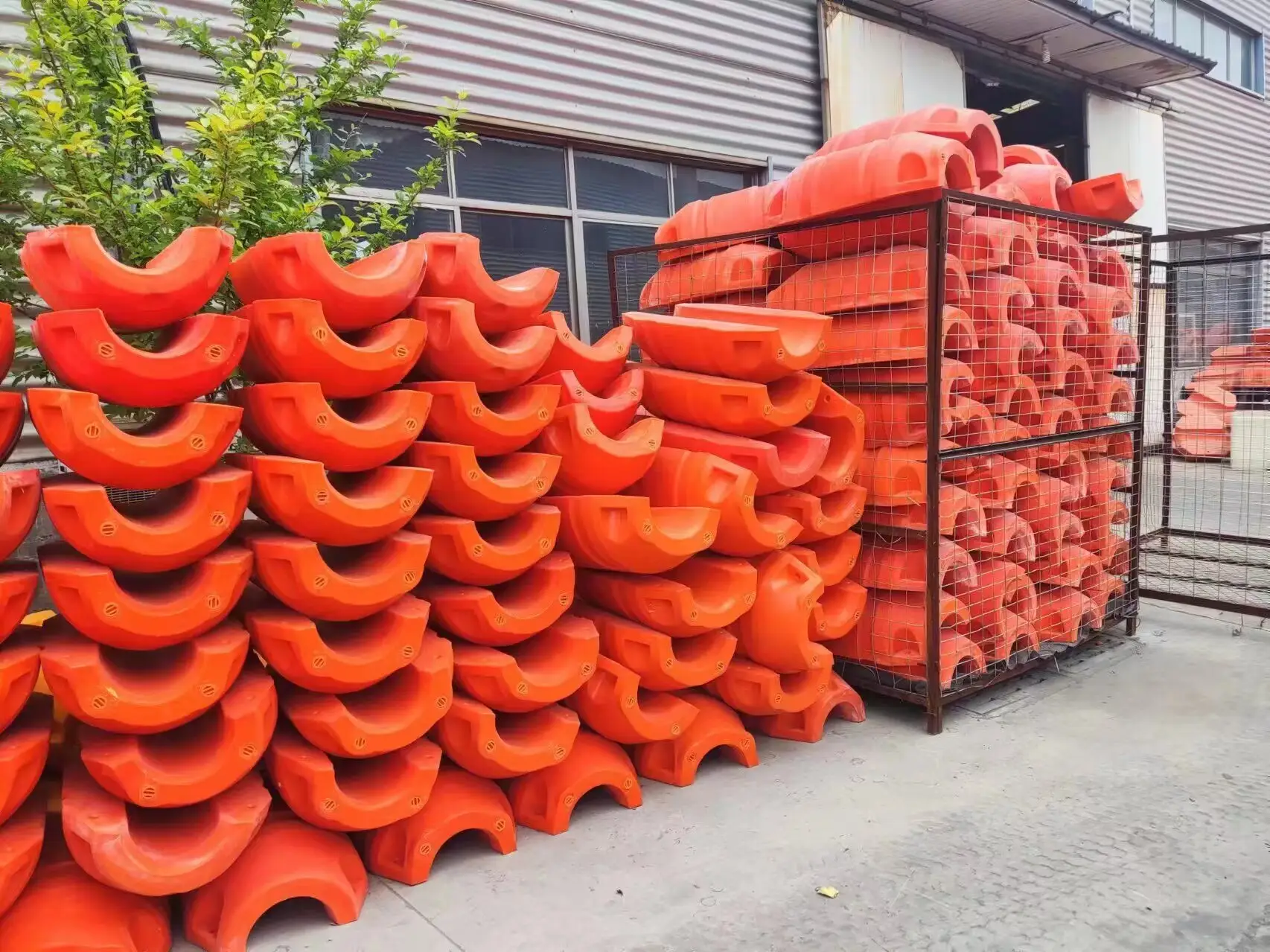
Pressure class is one of six variables behind what a dredge hose costs per meter — see the whole breakdown.
Pressure class is one variable behind sand suction hose price — here is the full 2026 breakdown.

Need a specification check, a price band or a lead-time estimate for your project? Send me the working conditions (diameter, pressure, medium, length) and I will reply personally, usually within one working day.
We compared 10 Chinese HDPE pipe factories on scale, price, certification and export readiness — plus where one-stop pipe, hose and floater supply wins.
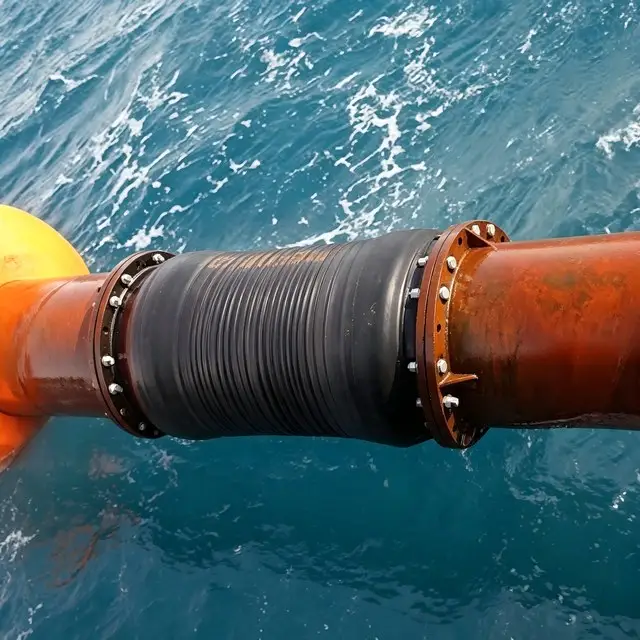
A sand suction rubber hose runs $9–$95 per metre FOB China in 2026 by size and build. This guide breaks down the 7 price variables, a per-diameter price table, and a ...
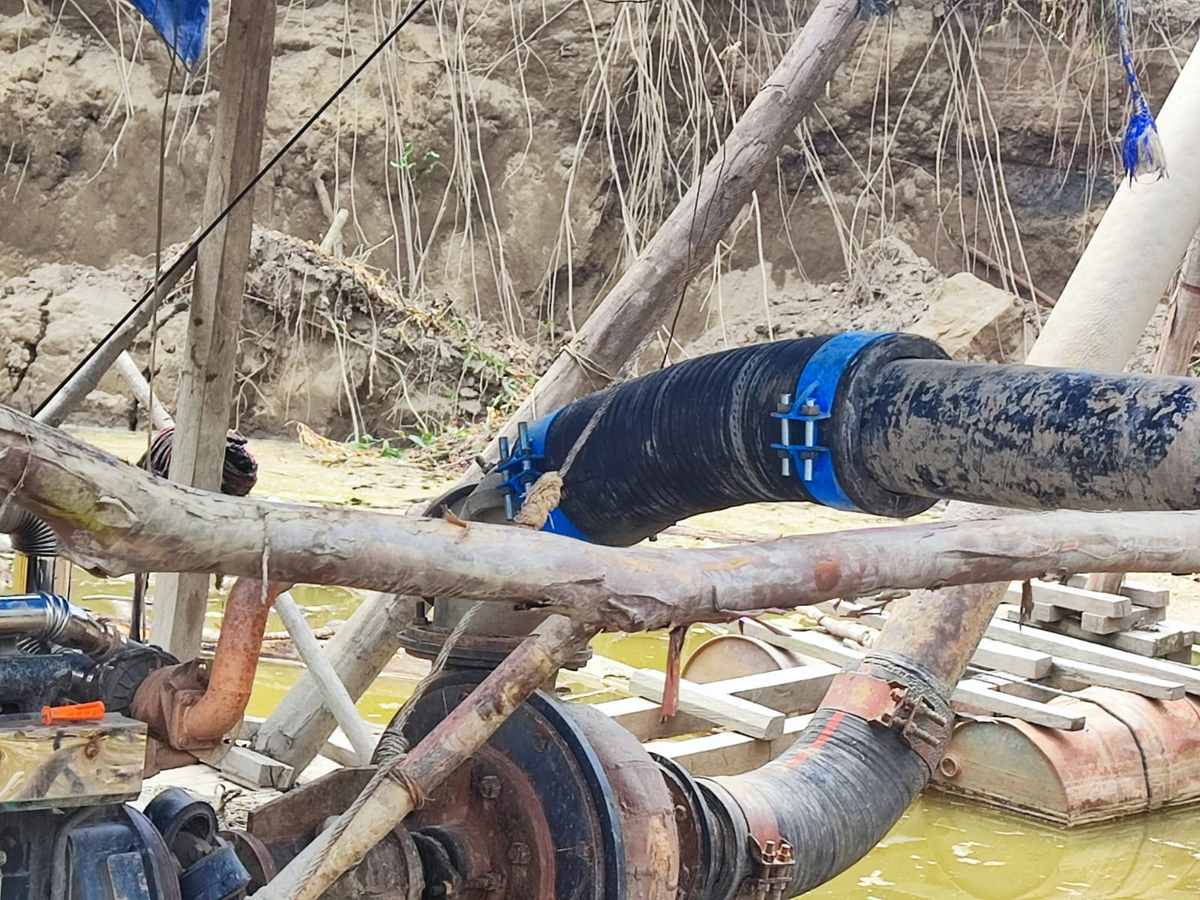
A 10-inch dredge hose quotes anywhere from $18 to $95 per meter. Here are the six variables behind the gap, 2026 price bands, and how to read a quotation.